

By purchasing a used car, especially one that’s only a few years old, you’ve avoided a major chunk of the vehicle’s depreciation happening after purchase. But if you want to further retain your used car value, keep reading—this article will help you make the most of your new (to you) purchase.
Why it’s important to retain your used car value
If you’ve purchased from a previous owner who took meticulous care of it and stayed on top of routine maintenance, the vehicle could still retain a good chunk of its original valuation. You’ll want to retain that value for as long as possible.
Even if you’re planning on owning the vehicle until the wheels fall off, you never know what the future holds. Upsizing, downsizing, longer commutes, changing recreational needs, etc. If you end up needing a new vehicle at some point, you’ll want to be prepared.
Some of the factors that best impact a car’s resale value include:
- Age and mileage
- Condition and maintenance schedule
- Accident and repair history
- Upgrades and customizations (these can go in either direction, depending on which upgrades you choose)
- Number of previous owners
Besides, higher used car valuations often correlate with the remaining life of the vehicle. By taking steps to retain (and even improve) your used car value, you can keep it running for longer.
What are the major reasons for decreased used car valuations?
Before we get into the proactive steps you can take to retain the value of your used car, there are a range of reasons why used cars lose value over time. These include:
- Poor handling while on the road leads to unnecessary damage
- Not keeping up with routine maintenance, which can cause small issues to balloon into major problems
- Making modifications that decrease the vehicle’s appeal to buyers—undesirable colors, spoilers, etc.
- Choosing a make and model that doesn’t typically resell well
How to retain (and even improve) your used car value
Believe it or not, your used car value is dependent in large part on you and how you treat it. Here are some steps we’d recommend you take to keep that value high and extend its overall life.
1. Choose the right vehicle
If you’ve already purchased your used vehicle, this is now out of your control. But if you’re still making up your mind on what to purchase, you should consider buying a used vehicle that is proven to retain its value for longer.
The best thing to look for is historic resale values. Not all cars depreciate at the same rate, and looking at vehicle history—which you can get through services like CARFAX and Kelly Blue Book—can help identify which makes and models are most likely to retain their value for longer.
2. Perform routine maintenance on schedule
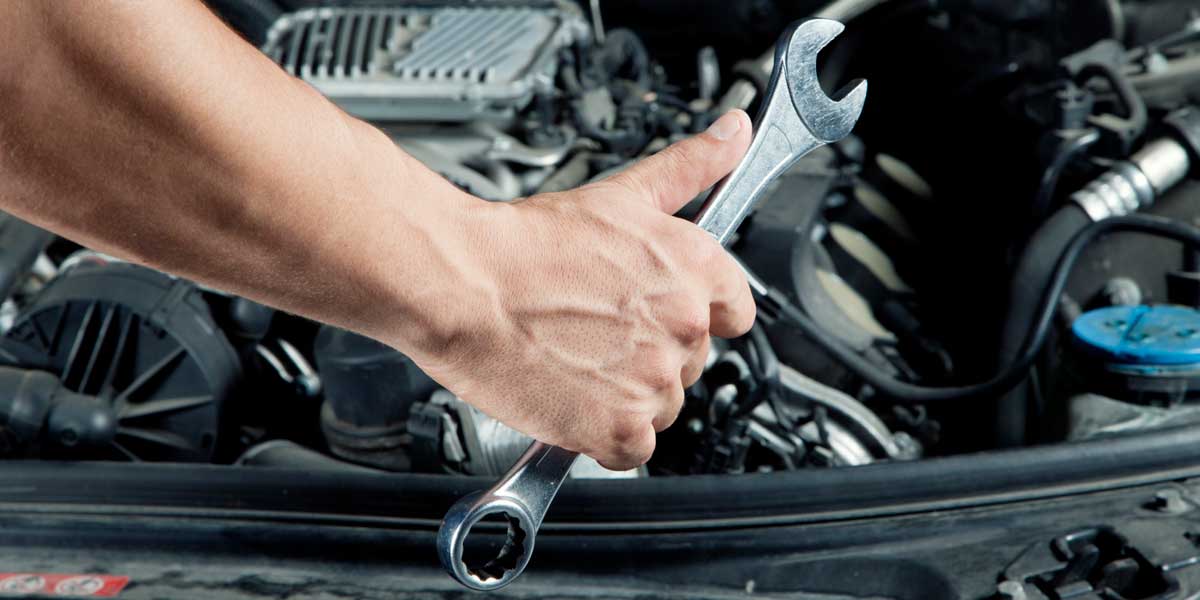
Virtually every vehicle manufacturer has a recommended maintenance schedule, generally with intervals of 10,000 or 15,000 miles. Sticking to this schedule is important to keep your vehicle in prime working condition, which decreases the strain on the mechanics and keeps them running for longer.
Routine maintenance includes regular oil changes, tire rotations, and full-vehicle inspections to identify issues. If you stay on top of regular maintenance, you’ll often spot issues early, which means you can fix them before they balloon into major (i.e. expensive) problems.
Similarly, keep your vehicle’s interior and exterior clean, avoiding paint scratches, stains, or interior damage.
3. Drive carefully and avoid accidents
Obviously, vehicles with structural damage take a hit when it comes to pricing. If you want to keep your used car value from dropping like a rock, avoid accidents and drive carefully. Careful driving not only can prevent accidents but can prevent other unnecessary strains on the vehicle which add up over time.
Good driving practices for maximizing resale value include:
- Careful use of accelerator and brakes
- Avoiding potholes and other road damage
- Not parking in tight spots where bumps and scratches can happen
- Not revving the engine unnecessarily
4. Keep good records
Buyers want to know that their vehicles were kept in good condition. Keeping complete records of the vehicle’s maintenance history demonstrates that you kept up on it and gained the buyer’s confidence in its current condition.
5. Be careful how you customize
Some customizations and mods will add to the resale value, but others do the opposite. For instance, a body kit or flames painted on the side may reduce the vehicle’s appeal to the average buyer.
6. Keep mileage down
The more you drive your vehicle, the faster its value will go down. So instead of using your vehicle for that next road trip, consider getting a rental. You’ll end up saving money in the long run.
7. Buy used
Within three years, a new vehicle can lose as much as 40% of its value. If you buy used, you’ll avoid most of that depreciation.
If you’re in the market for a new (to you) used vehicle, stop by Bachrodt on State. Our competitive prices and award-winning customer service will help you find a used car that will continue offering value for years to come.
Connect with us

